


Mini Injection Mold Machine: What It Is, Uses, and How to Choose the Right One
Mini Injection Mold Machine: What It Is, Uses, and How to Choose the Right One
What Is a Mini Injection Mold Machine?
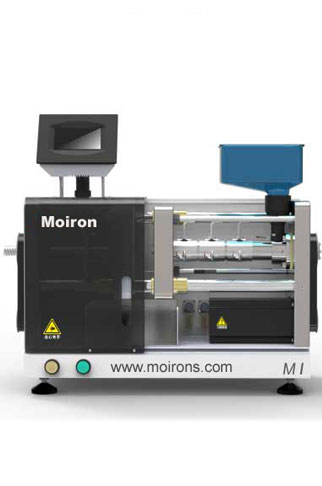
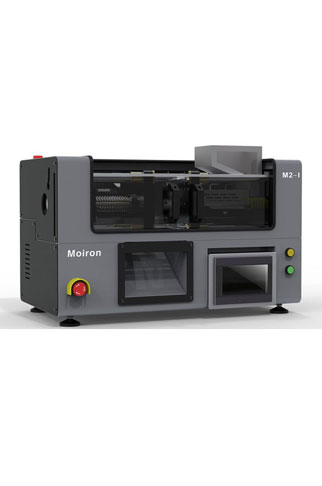
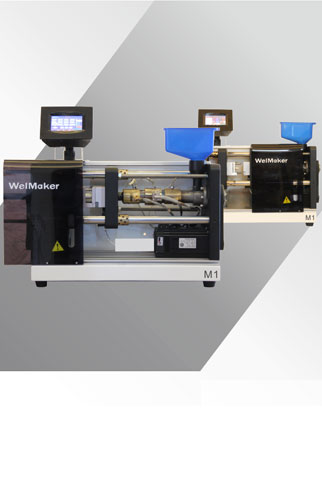
A mini injection mold machine is a compact injection molding machine designed for producing small plastic parts in low volumes. Compared with standard industrial injection molding machines, mini injection mold machines have smaller clamping force, lower injection capacity, and a much smaller footprint.
These machines are commonly used where flexibility, ease of operation, and low investment cost are more important than high-speed mass production. Mini injection mold machines are often installed in small workshops, laboratories, or prototype development environments.
What Is a Mini Injection Mold Machine Used For?
Mini injection mold machines are mainly used for applications that require small plastic parts and limited production quantities.
Typical uses include:
Product prototyping
Designers and engineers use mini injection mold machines to produce functional prototypes before moving to full-scale production.Small batch plastic production
Startups and small manufacturers use mini machines to produce short-run plastic components without investing in large industrial equipment.DIY and maker projects
Makers and hobbyists use mini injection mold machines for custom plastic parts, replacement components, and experimental designs.Educational and laboratory applications
Training centers and universities use mini injection mold machines to teach injection molding fundamentals and material behavior.
Who Should Use a Mini Injection Mold Machine?
Mini injection mold machines are suitable for users who prioritize flexibility and cost control over output speed.
They are commonly used by:
Product designers and R&D teams
Startups producing limited quantities
DIY makers and small workshops
Educational institutions and research labs
For these users, a mini injection mold machine provides sufficient capability without the complexity of industrial-scale systems.
Who Should NOT Use a Mini Injection Mold Machine?
Despite their advantages, mini injection mold machines are not suitable for all production needs.
They are generally not recommended for:
High-volume mass production
Large plastic parts or thick-wall products
Multi-cavity molds requiring high clamping force
Fully automated, high-speed production lines
For these applications, standard or large injection molding machines are more appropriate.
Mini Injection Mold Machine vs Standard Injection Molding Machine
The table below highlights the key differences:
| Feature | Mini Injection Mold Machine | Standard Injection Molding Machine |
|---|---|---|
| Machine size | Compact | Large |
| Production volume | Low | High |
| Investment cost | Low | High |
| Typical application | Prototyping, small batch | Mass production |
| Automation level | Limited | High |
This comparison helps users choose the right machine based on actual production requirements.
Key Components of a Mini Injection Mold Machine
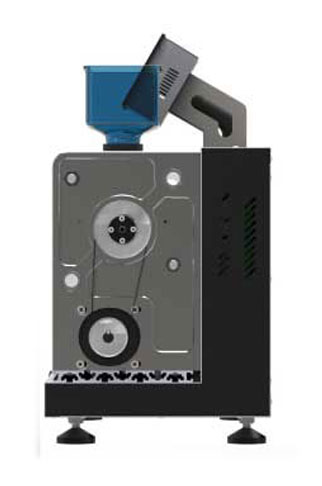
A typical mini injection mold machine includes:
Injection unit for plasticizing and injecting material
Clamping unit for holding the mold
Heating system for melting plastic
Basic control system for operation and parameter setting
Due to their compact design, mini machines often have simplified structures compared with industrial models.
How to Choose a Mini Injection Mold Machine
Choosing the right mini injection mold machine requires careful evaluation of production needs.
Consider Part Size and Weight
Ensure the machine’s shot capacity and clamping force match the size and weight of the plastic parts.
Consider Production Volume
Mini injection mold machines are best suited for low-volume production. Unrealistic output expectations may lead to unstable operation.
Consider Plastic Materials
Check whether the machine supports the plastic materials you plan to use, such as PP, PE, ABS, or engineering plastics.
Consider Mold Design
Mini machines typically work best with simple, single-cavity molds. Complex molds may exceed machine capability.
Limitations of Mini Injection Mold Machines
Mini injection mold machines have inherent limitations due to their size:
Limited injection pressure and shot volume
Lower clamping force
Reduced automation capability
Slower cycle times compared to industrial machines
Understanding these limitations helps users avoid incorrect equipment selection.
Maintenance and Operation Considerations
Mini injection mold machines are generally easier to maintain due to their simple structure. Regular cleaning, temperature monitoring, and basic inspection help ensure stable operation and longer service life.
Proper operation and realistic production planning are key to achieving consistent molding results.
Conclusion
A mini injection mold machine is a practical solution for producing small plastic parts in low volumes. It is well suited for prototyping, small batch production, DIY projects, and educational use.
However, mini injection mold machines are not designed for mass production or large, complex plastic parts. By clearly understanding their capabilities and limitations, users can select the right machine and achieve reliable molding results.
Ranking of similar articles
- How to get started DIY injecti
- table top injection molding ma
- desktop fully automatic inject
- May I know how soon I can get
- How to choose a desktop inject
- What is the power consumption
- Can the desktop injection mold
- How long the machine warranty
- How long have you engaged in t
- Mini Injection Mold Machine: W
Ranking of similar articles
- What kind of after-sales suppo
- Can the desktop injection mold
- How precise is the Moiron desk
- What is a desktop injection mo
- Mini Injection Mold Machine: W
- How to choose a desktop inject
- How to get started DIY injecti
- table top injection molding ma
- desktop fully automatic inject
- How long have you engaged in t